
- Blood Oxygen 94-95
- Is 94 Blood Oxygen Level Low
- 94 Blood Oxygen Covid
- Is A Pulse Ox Of 94 Ok
- 94 Blood Oxygen
Blood oxygen levels during sleep should be at a 95 percent saturation, which is considered normal, according to the American Sleep Apnea Association (AASM).
It is normal for blood oxygen levels to decrease during sleep. All body systems have altered basal function during your sleep, including breathing. You don’t breathe as deeply when you are sleeping, and not all your lung spaces function at full capacity. Because of this effect of sleep on breathing, it is normal for your sleep oxygen level to decrease below awake levels. Tests that show a waking oxygen level at or above 94 percent typically indicate a sleep oxygen level of at or above 88 percent.
However, when it persistently drops below maintenance levels, health problems can develop. In addition, certain medical conditions can lead to low oxygen while you are asleep.
Medical Disorders
Blood Oxygen 94-95
2 days ago Checking blood oxygen levels and temperature is essential for COVID-19 patients who are under home isolation. Here are some FAQs on oxygen levels and what to do if your oxygen levels are low. Despite a sat of 84% and a PaO2 of only 50, she is carrying around more oxygen than our perfectly normal, healthy Patient #1. Patient #3 has a Hb of 6.5, a sat of 100%, and a PaO2 of 285mmHg CaO2 = (6.5 x 1.34) x 1.0 + (285 x 0.003) CaO2 = 9.6 So our third patient - despite having a sat of 100% and a PaO2 of 285 - has almost HALF of the.
According to the Mayo Clinic, certain medical problems, especially of the cardiovascular and respiratory systems, can lead to blood oxygen below normal levels. The effects of these conditions can worsen while you are sleeping. The most common disorders include:
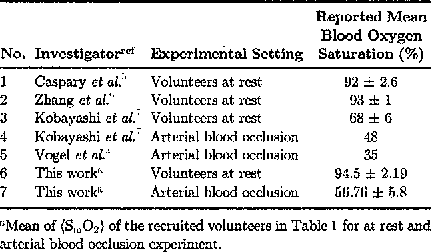
Oxygen saturation (also called SpO2) is a fraction of the oxygen-saturated haemoglobin, compared to the total haemoglobin in the blood. The normal values of SpO2 range from 92 to 100 percent. For a healthy person, SpO2 values usually fall between 94-96 percent.
Diseases of the lungs:
Several lung diseases can narrow or block lung air spaces, inflame or scar lung tissue, and can also interfere with normal breathing patterns. These lung diseases include:
- Chronic obstructive pulmonary disease (COPD), such as emphysema and chronic bronchitis
- Asthma
- Cystic fibrosis, a genetic disease that causes a build of mucus in the lungs
- Pneumonia and other lung infections
- Smoking and lung cancer
Heart diseases:

Disorders of the heart, which can interfere with blood flow, blood oxygen level, and oxygen supply to tissues include:

- Coronary heart disease, a build-up of plaques in the arteries of the heart
- Congestive heart failure with leakage of fluid into lung tissue
- Congenital heart disease, a developmental defect in the structure of the heart
Anemia:
The decrease in hemoglobin (Hgb) with anemia lowers the ability of your red blood cells to absorb oxygen from your lungs and carry it to your tissues. Abnormal Hgb, such as with sickle cell anemia, causes the same problem.
Obesity:
This a cause of sleep apnea where the throat becomes obstructed during sleep and interferes with breathing. Obesity also causes obesity hypoventilation syndrome (OHS), with diminished deep breathing and oxygen intake.
Drugs:
Chronic use of prescription or illegal opioids, sedatives, and recreational or other illegal drugs can depress the brain’s breathing center and therefore slow down your breathing and oxygen intake.
Alcohol:
Abuse of alcohol, especially at bedtime and mixed with drugs, can interfere with normal breathing and sufficient oxygen intake.
Health Consequences
A normal blood oxygen level is vital for normal tissue and cellular function. Therefore, low blood oxygen affects the function of every tissue in the body. A chronic problem of low oxygen levels while sleeping can increase the risk for several health consequences including:
- Sleep disorders, such as bouts of insomnia
- Poor sleep quality, such as restless sleep with several awakenings
- High blood pressure
- Cardiovascular disease including heart failure
- Cardiac arrhythmia and a risk for sudden death
- Type 2 diabetes
- Depressed brain function and possible brain damage
- Risk for loss of consciousness, coma, and death
If you think your oxygen level falls below normal while you are sleeping, consult with your doctor. He might suggest a sleep study as part of your evaluation. During an overnight stay in a sleep center, a technician monitors your breathing and other signs, as well as your blood O2 sat with a pulse oximeter during sleep.
Blood oxygen levels during sleep should be at a 95 percent saturation, which is considered normal, according to the American Sleep Apnea Association (AASM).
Is 94 Blood Oxygen Level Low
It is normal for blood oxygen levels to decrease during sleep. All body systems have altered basal function during your sleep, including breathing. You don’t breathe as deeply when you are sleeping, and not all your lung spaces function at full capacity. Because of this effect of sleep on breathing, it is normal for your sleep oxygen level to decrease below awake levels. Tests that show a waking oxygen level at or above 94 percent typically indicate a sleep oxygen level of at or above 88 percent.
However, when it persistently drops below maintenance levels, health problems can develop. In addition, certain medical conditions can lead to low oxygen while you are asleep.
Medical Disorders
According to the Mayo Clinic, certain medical problems, especially of the cardiovascular and respiratory systems, can lead to blood oxygen below normal levels. The effects of these conditions can worsen while you are sleeping. The most common disorders include:
Diseases of the lungs:
Several lung diseases can narrow or block lung air spaces, inflame or scar lung tissue, and can also interfere with normal breathing patterns. These lung diseases include:
- Chronic obstructive pulmonary disease (COPD), such as emphysema and chronic bronchitis
- Asthma
- Cystic fibrosis, a genetic disease that causes a build of mucus in the lungs
- Pneumonia and other lung infections
- Smoking and lung cancer
Heart diseases:
Disorders of the heart, which can interfere with blood flow, blood oxygen level, and oxygen supply to tissues include:
- Coronary heart disease, a build-up of plaques in the arteries of the heart
- Congestive heart failure with leakage of fluid into lung tissue
- Congenital heart disease, a developmental defect in the structure of the heart
Anemia:
The decrease in hemoglobin (Hgb) with anemia lowers the ability of your red blood cells to absorb oxygen from your lungs and carry it to your tissues. Abnormal Hgb, such as with sickle cell anemia, causes the same problem.
Obesity:
This a cause of sleep apnea where the throat becomes obstructed during sleep and interferes with breathing. Obesity also causes obesity hypoventilation syndrome (OHS), with diminished deep breathing and oxygen intake.
Drugs:
Chronic use of prescription or illegal opioids, sedatives, and recreational or other illegal drugs can depress the brain’s breathing center and therefore slow down your breathing and oxygen intake.
Alcohol:
94 Blood Oxygen Covid
Abuse of alcohol, especially at bedtime and mixed with drugs, can interfere with normal breathing and sufficient oxygen intake.
Health Consequences
Is A Pulse Ox Of 94 Ok
A normal blood oxygen level is vital for normal tissue and cellular function. Therefore, low blood oxygen affects the function of every tissue in the body. A chronic problem of low oxygen levels while sleeping can increase the risk for several health consequences including:
94 Blood Oxygen
- Sleep disorders, such as bouts of insomnia
- Poor sleep quality, such as restless sleep with several awakenings
- High blood pressure
- Cardiovascular disease including heart failure
- Cardiac arrhythmia and a risk for sudden death
- Type 2 diabetes
- Depressed brain function and possible brain damage
- Risk for loss of consciousness, coma, and death
If you think your oxygen level falls below normal while you are sleeping, consult with your doctor. He might suggest a sleep study as part of your evaluation. During an overnight stay in a sleep center, a technician monitors your breathing and other signs, as well as your blood O2 sat with a pulse oximeter during sleep.